
Our Materials
We list every ingredient because “natural” shouldn’t be a mystery.
Vegetable-Tanned Leather
Most leather brands list “leather” as an ingredient and leave it at that. We think you deserve to know more. Every hide we use is sourced from local producers and tanned by a nearby tannery using only the materials listed below - no chromium salts, no synthetic tanning agents, and no proprietary blends.
The Ingredients
Salt
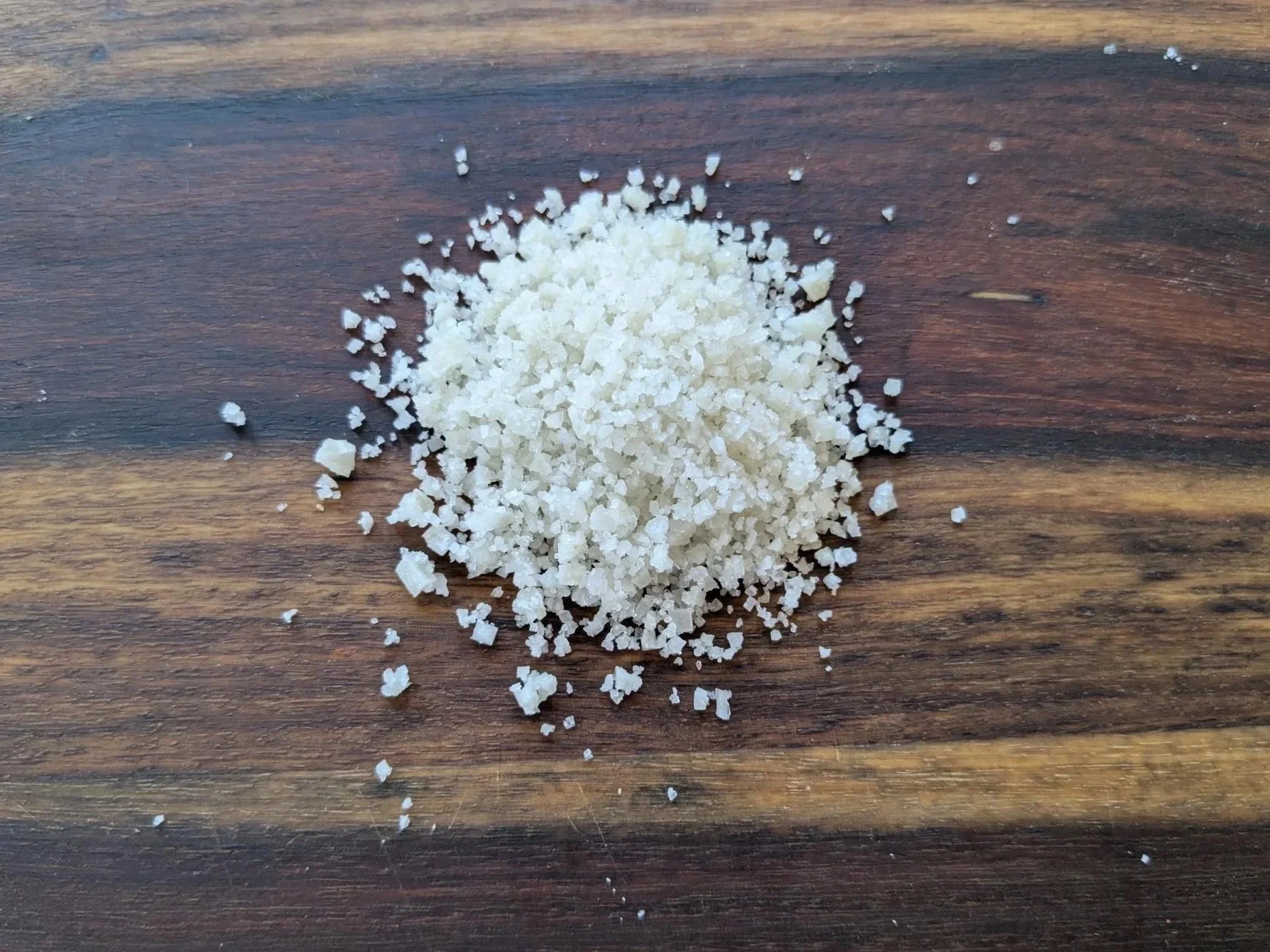
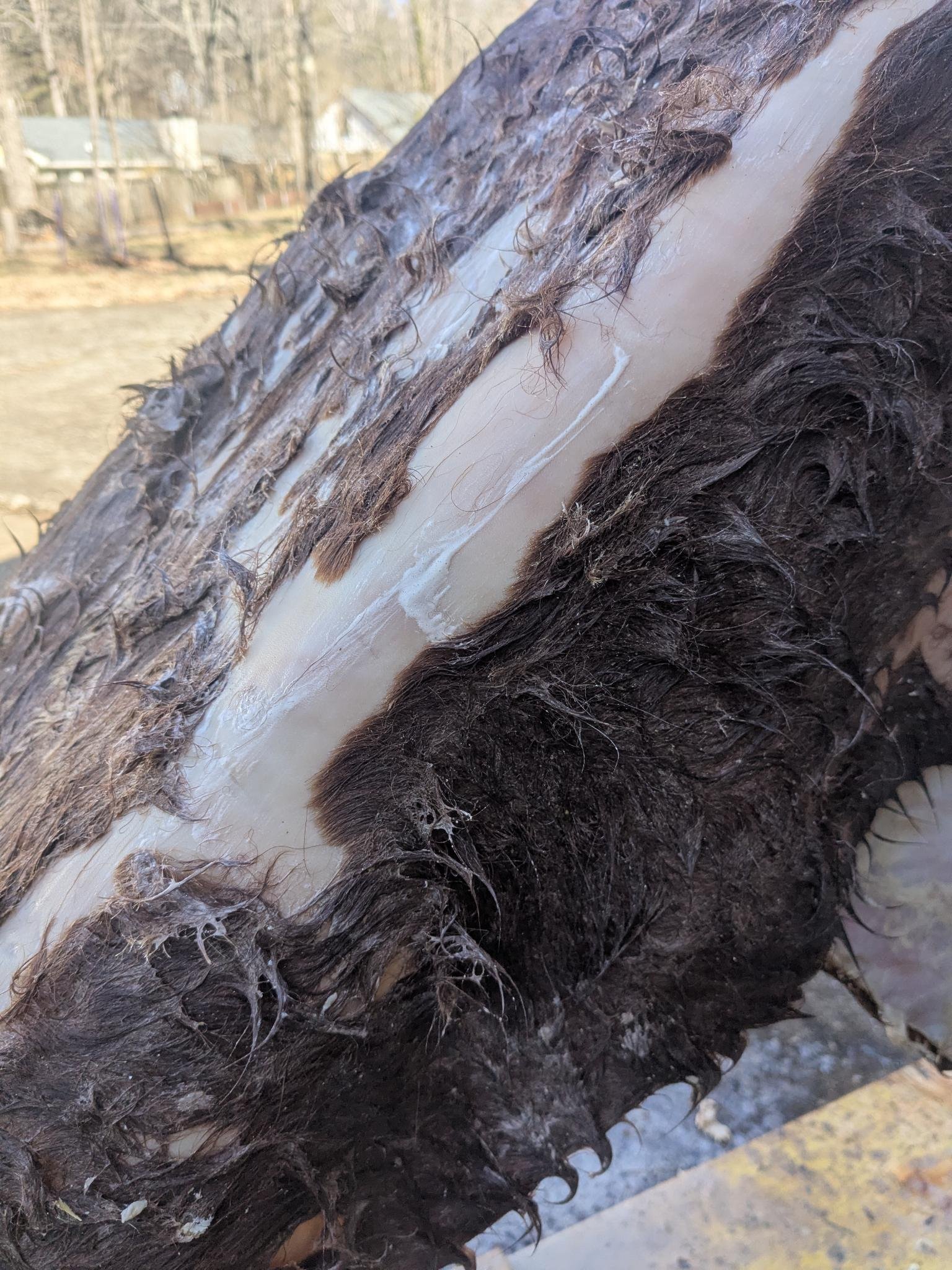
Used to protect against unwanted bacterial growth. Used only in the hair-on hide processes.
Citric Acid
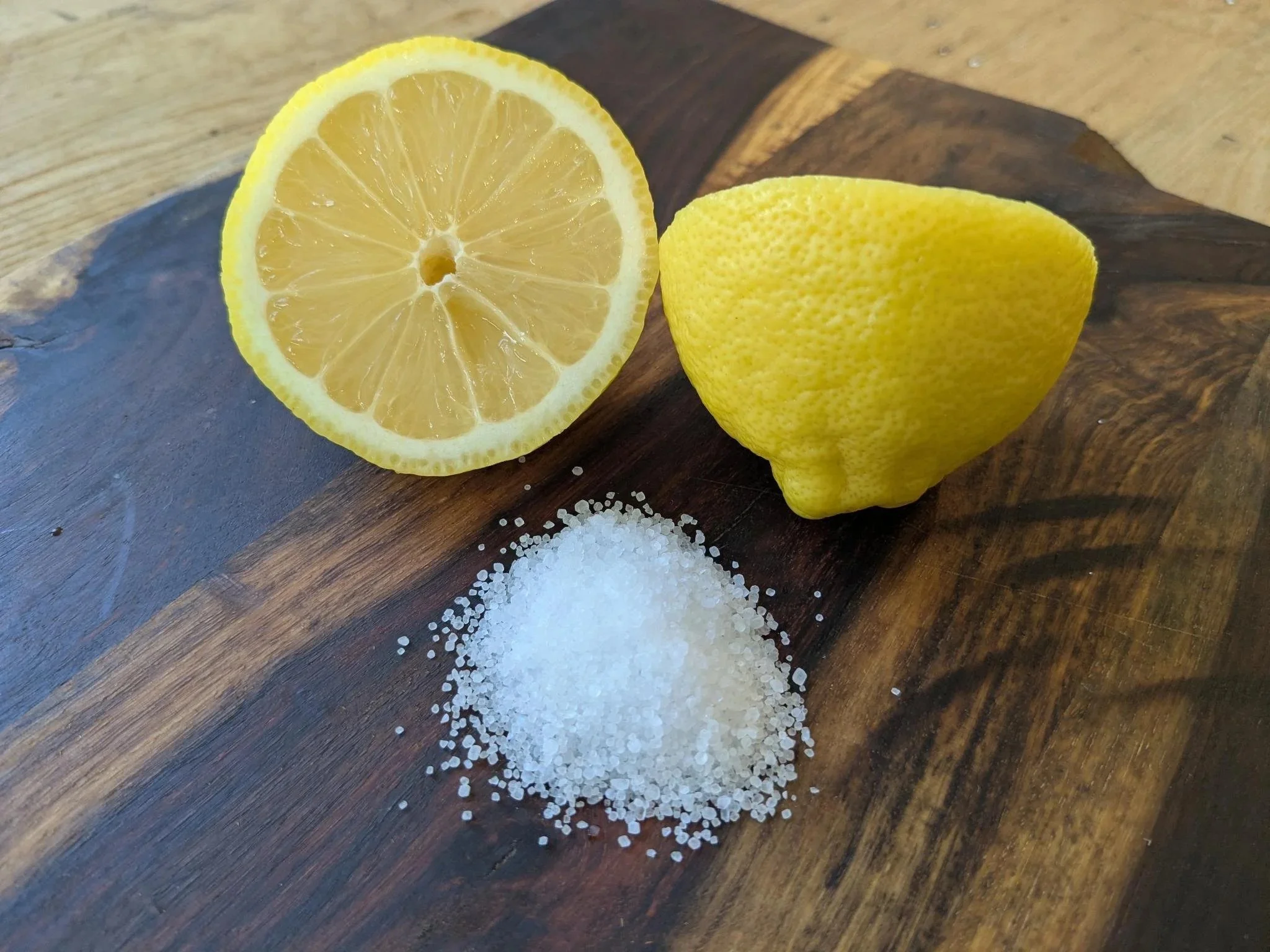
Keeps the solutions acidic to prevent unwanted hair loss as well as influence the final color. Used only in the hair-on hide process.
Lime
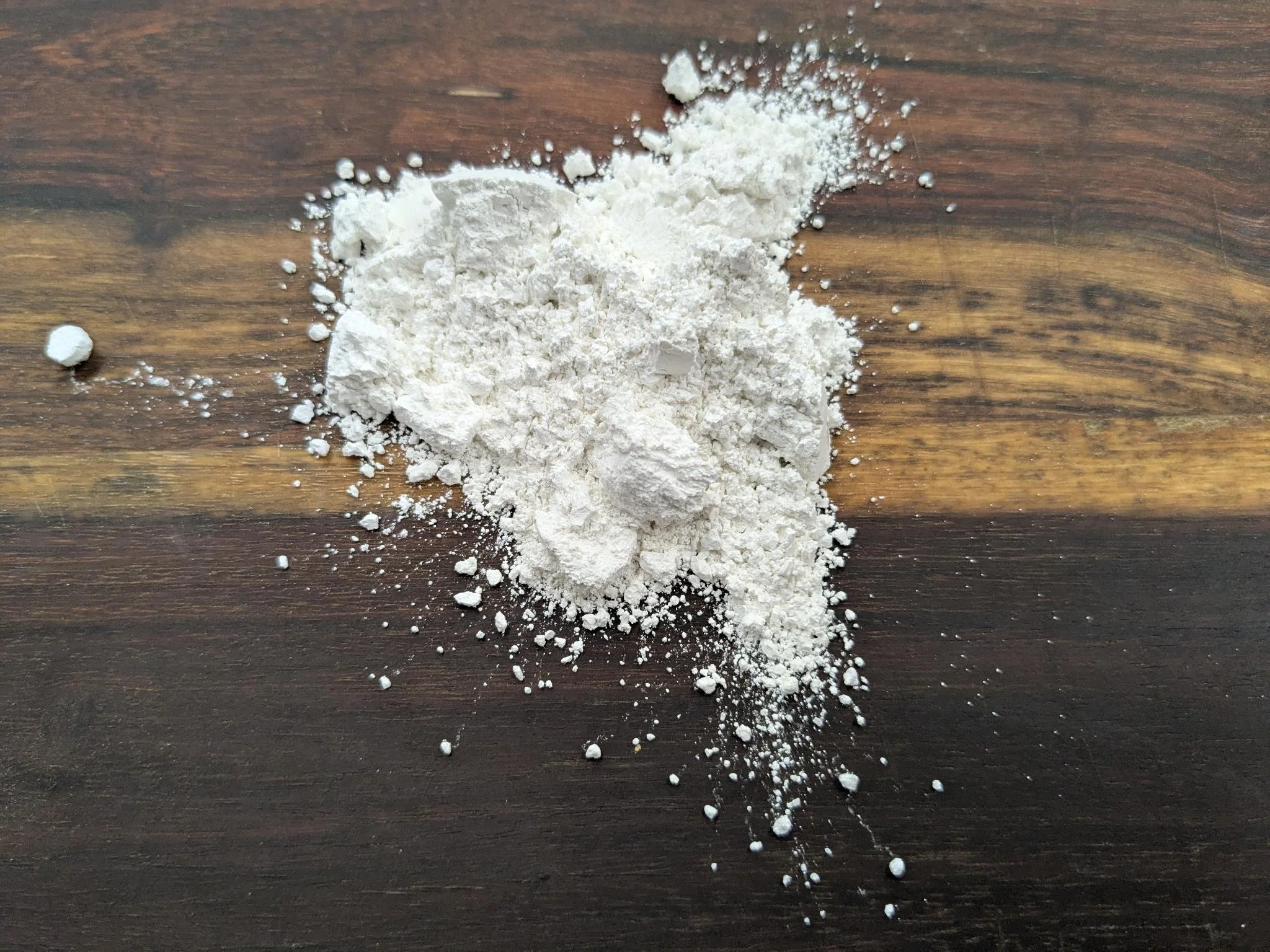
Made by heating limestone or seashells. Lime opens the pores and helps the hide release the hair. After this step, the hide is thoroughly rinsed to remove the lime before it enters the tannin bath. Used only in the leather processes.
Tannins
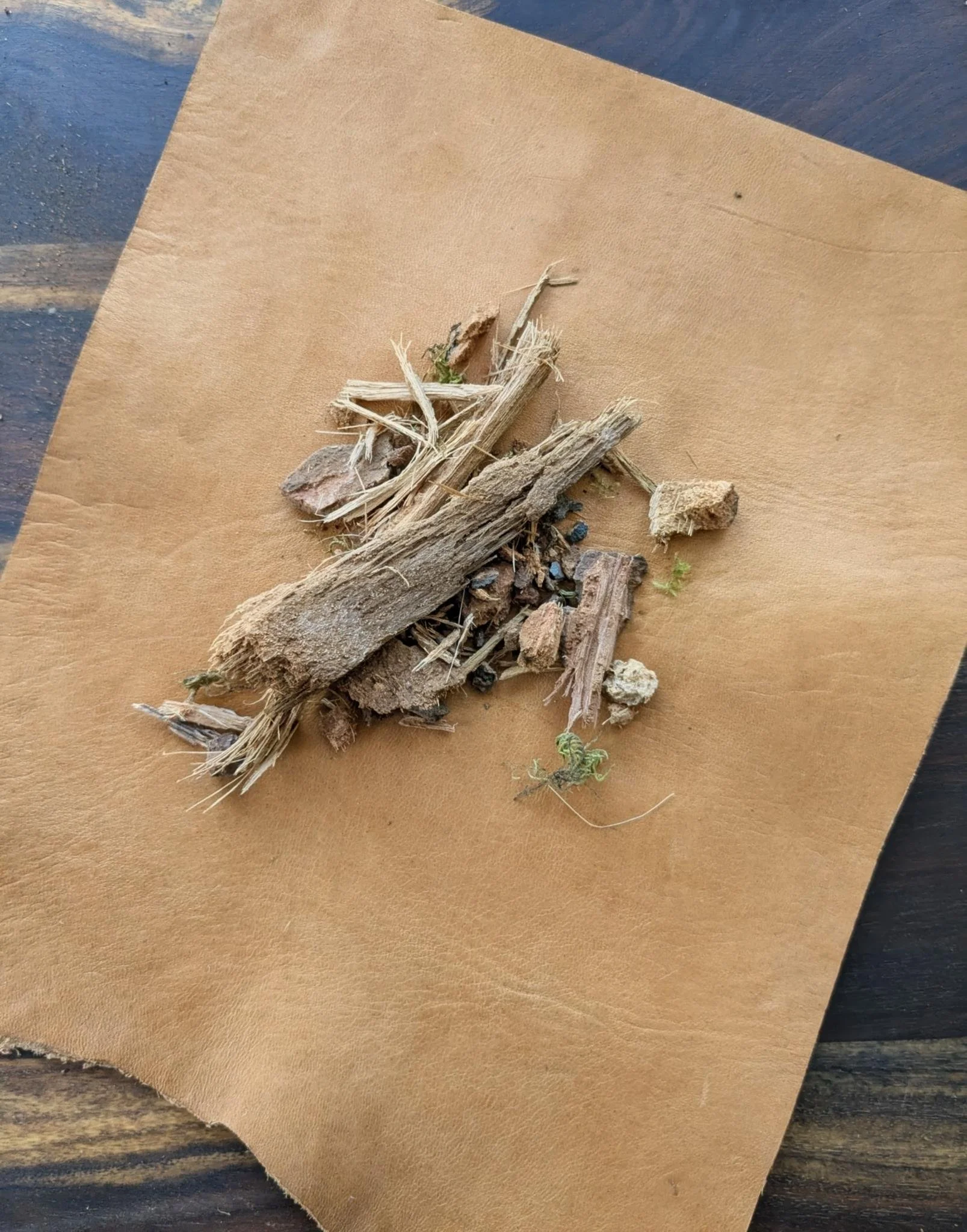
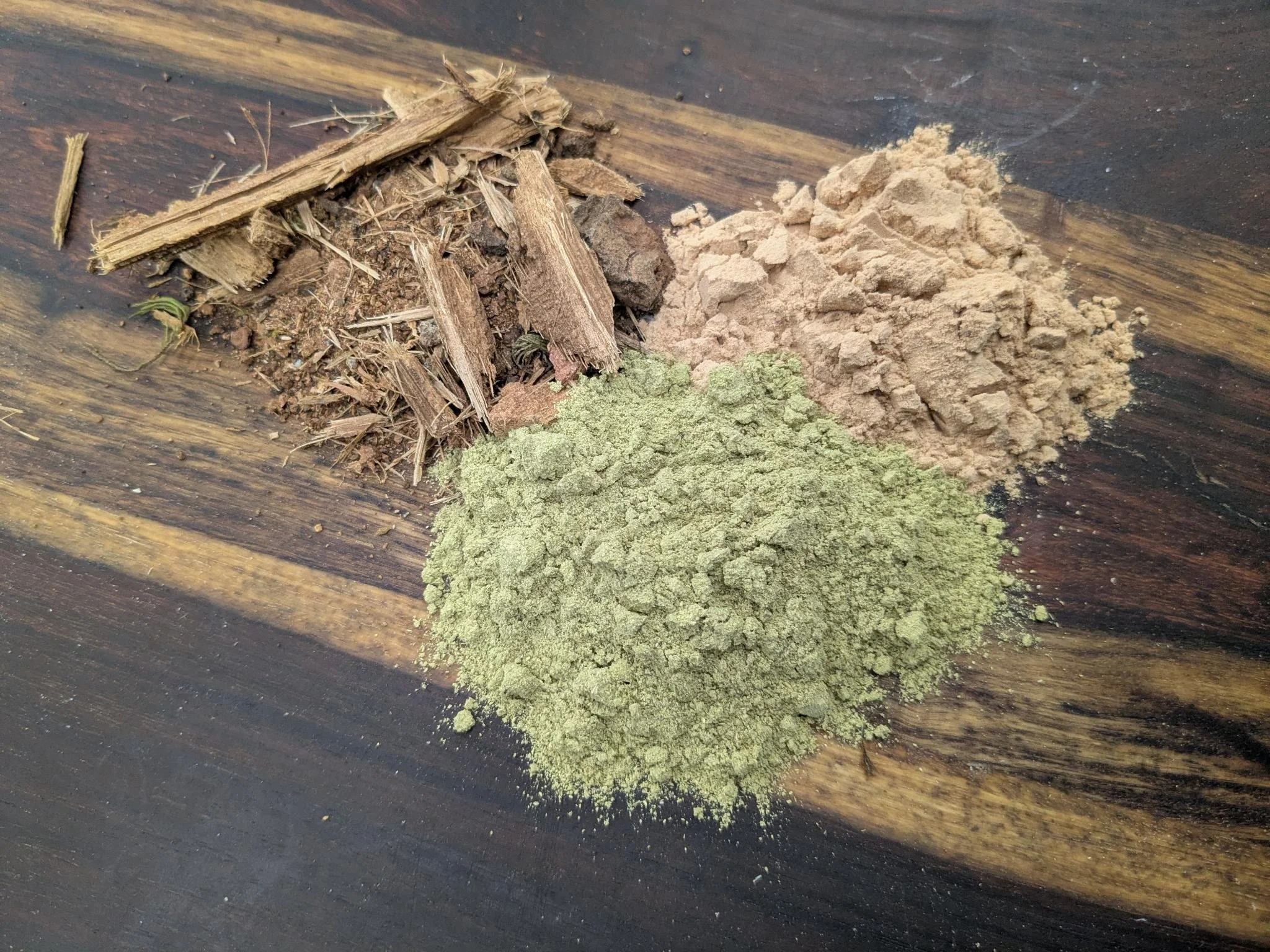
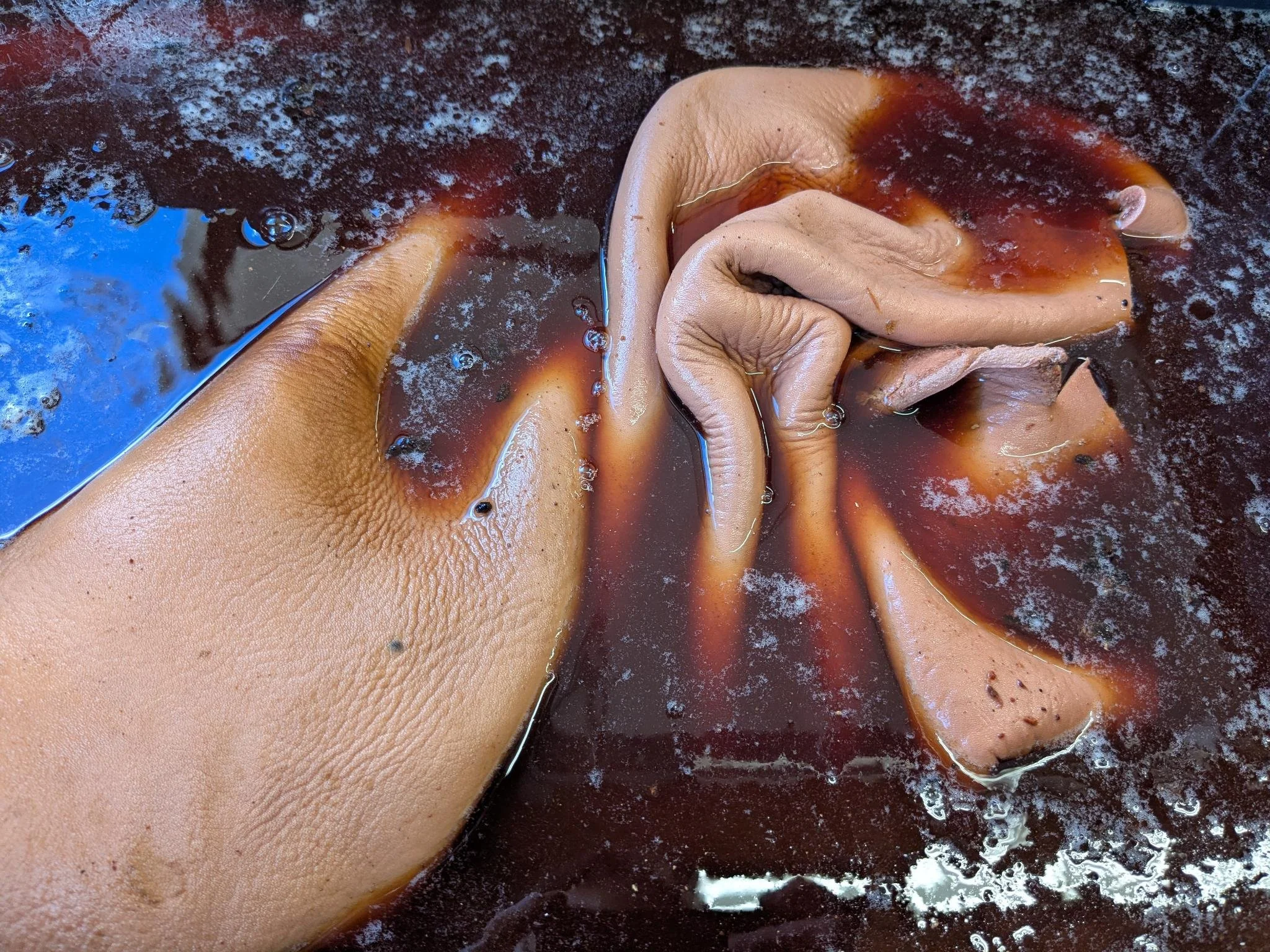
Oak bark, hemlock bark, sumac leaves, walnut hulls, or mimosa bark extract are each steeped in water to make a tannin-rich tea. The tannins bind to the hide’s collagen fibers, transforming raw hides into durable leather.
Water
Water is used throughout the tanning process to wash the hides, dissolve ingredients, and extract tannins. While soaking, the water helps transport these ingredients into the hides.
Olive Oil and Egg Yolks
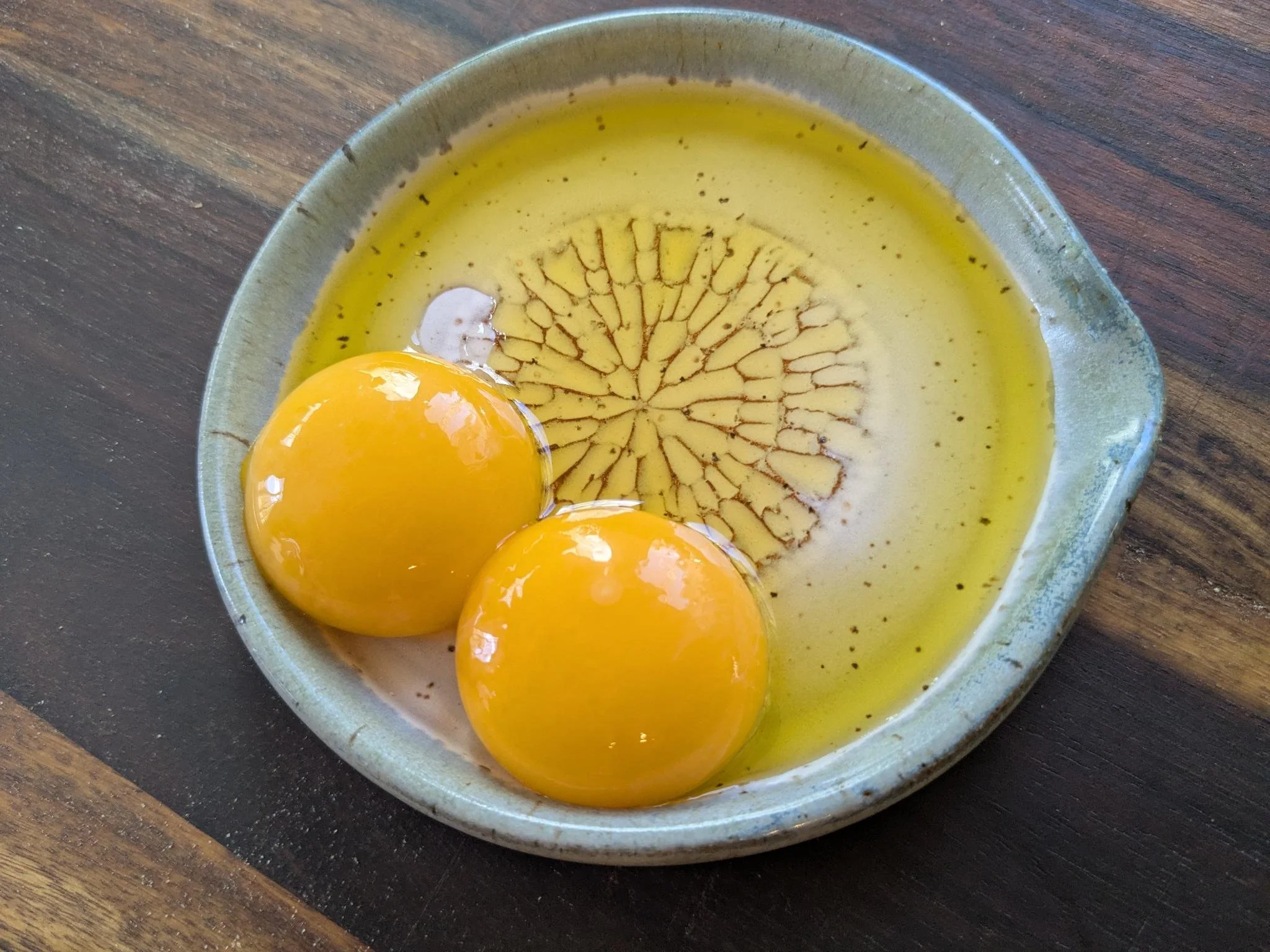
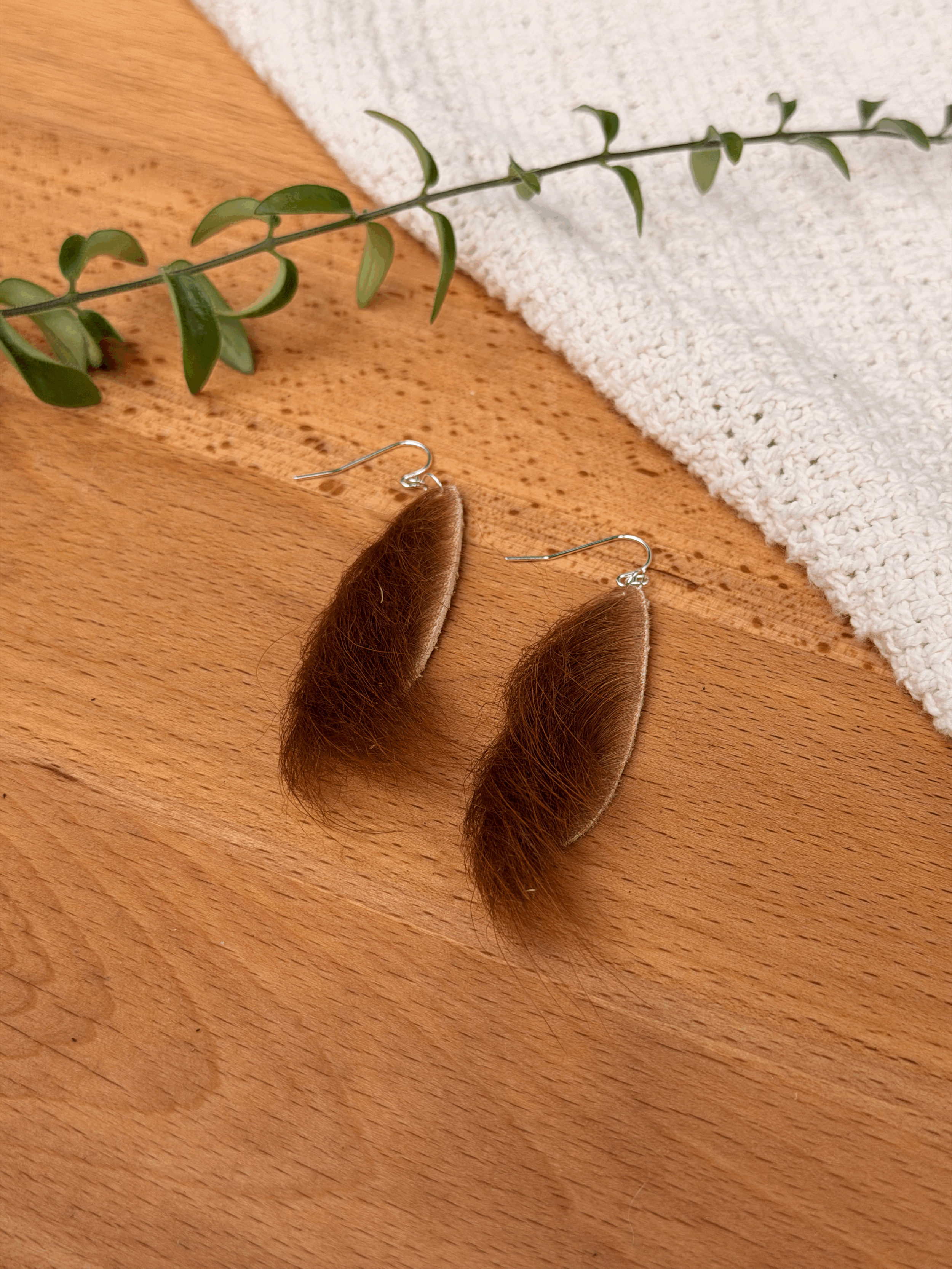
After tanning, olive oil is worked into the leather as it dries, helping it remain soft and supple. In some small batches, egg yolks may also be used to condition the leather.
Oils and Waxes
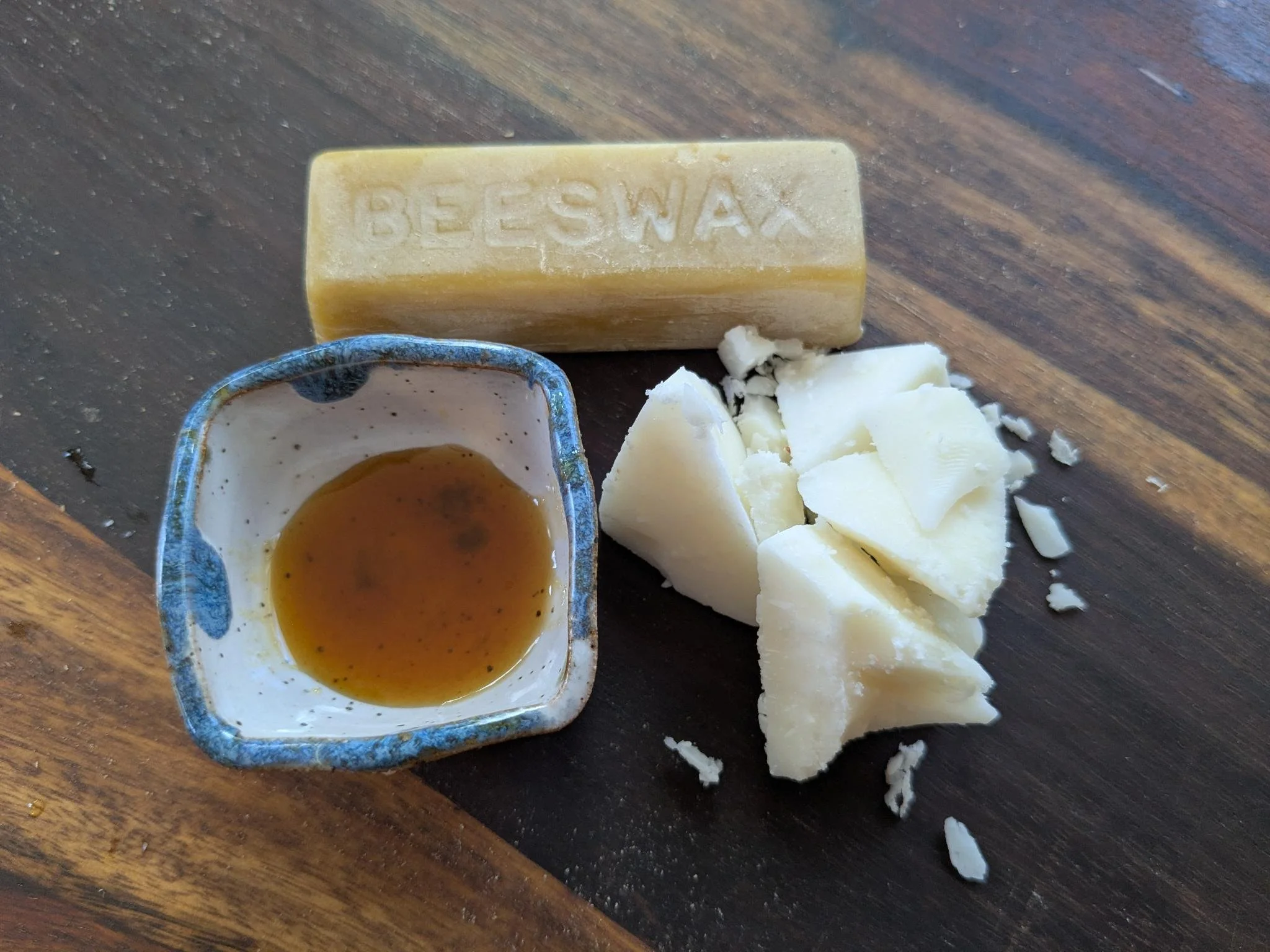
Depending on the leather’s intended use, tallow, beeswax, cod liver oil, or other natural oils may be applied individually or in combination. These finishes can condition the leather, improve tear strength, or add water resistance.
Vinegaroon
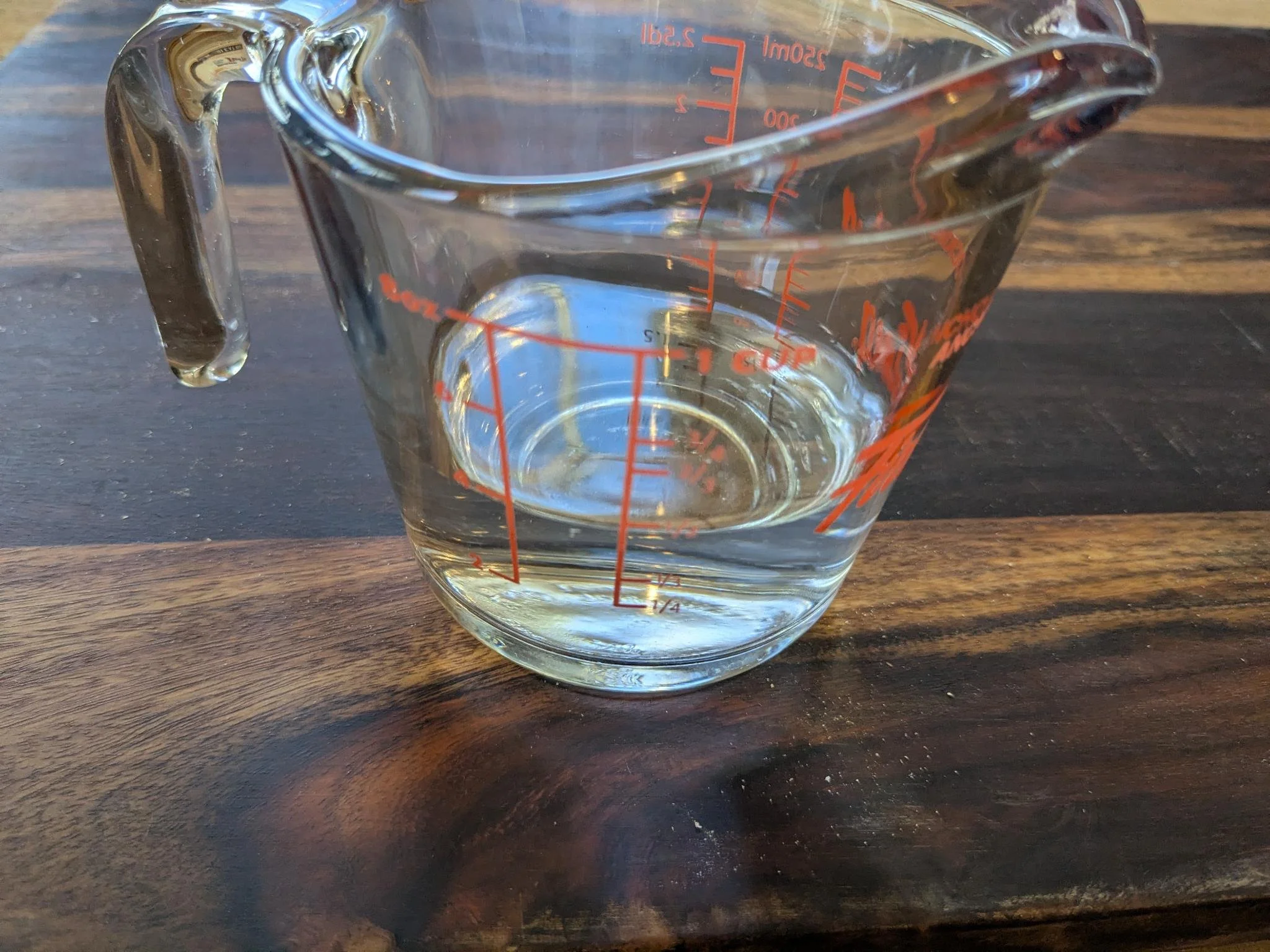
Steel is soaked in vinegar to create an iron-rich solution. When applied to vegetable-tanned leather, the iron reacts with the tannins to turn it a deep black. Used only to create our Iron finish.
That’s it. Ingredients you can recognize and a process we’re happy to explain.
Beyond the Leather
Leather is only part of what goes into each piece. We use a small number of carefully chosen materials for stitching, hardware, and assembly, selecting each for its quality, durability, and suitability for the work.
Finishing Touches
Sterling Silver
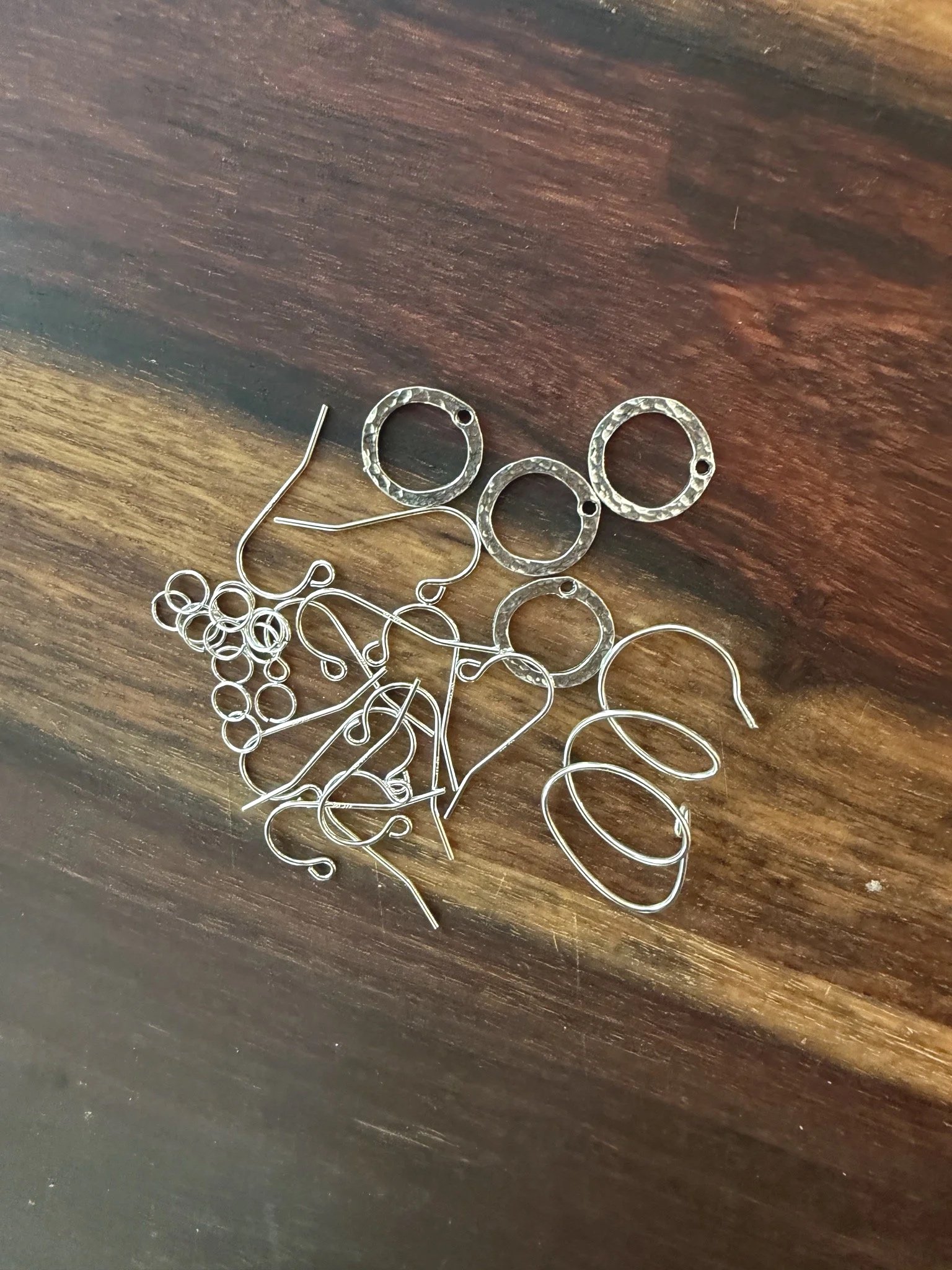
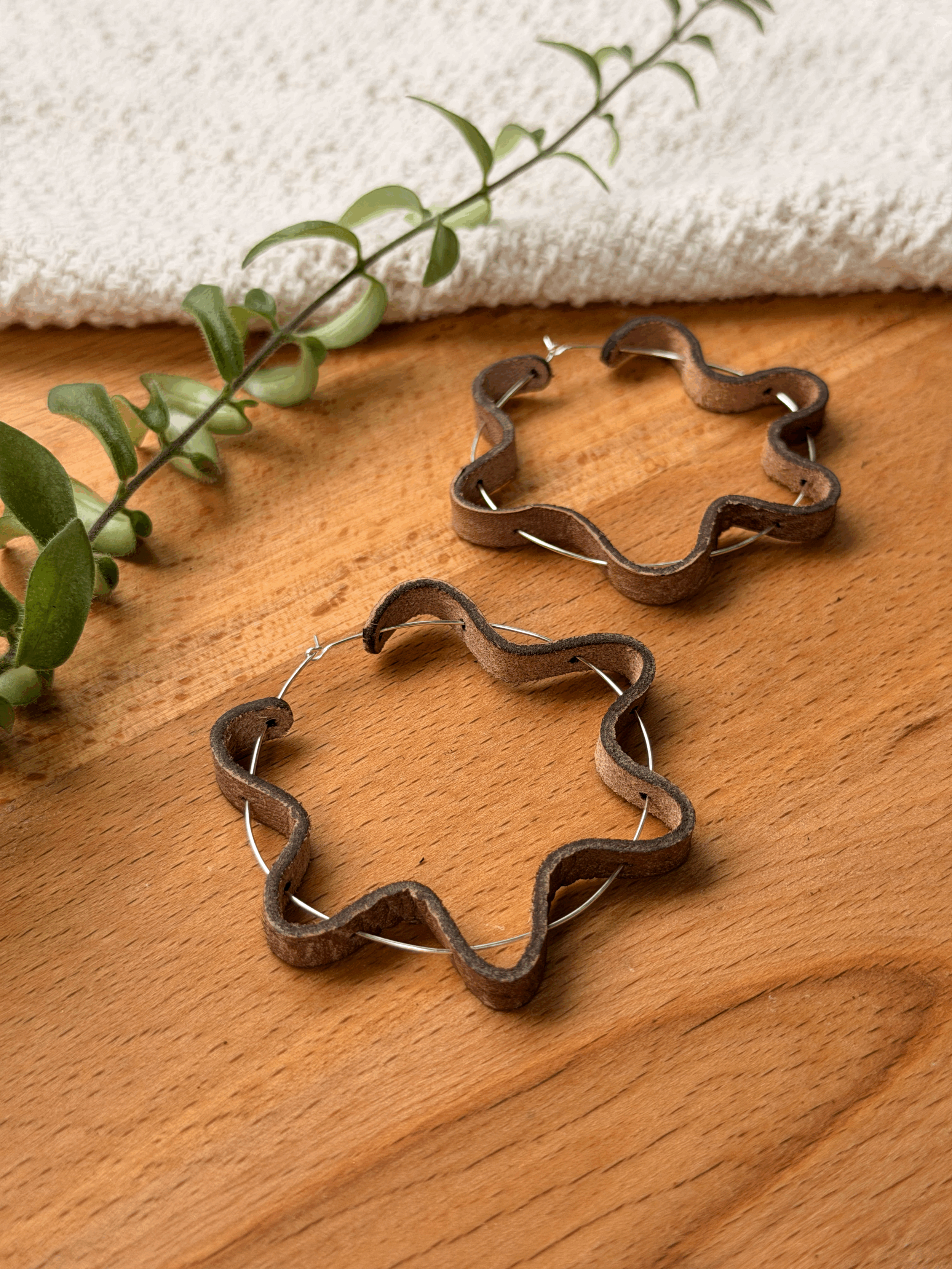
Our earring hooks, hoops, bars, and other metal findings are made from .925 sterling silver sourced from Rio Grande. Sterling silver contains 92.5% pure silver. The remaining 7.5% is typically copper, which provides the strength and durability needed for wearable jewelry.
Linen Thread and Beeswax
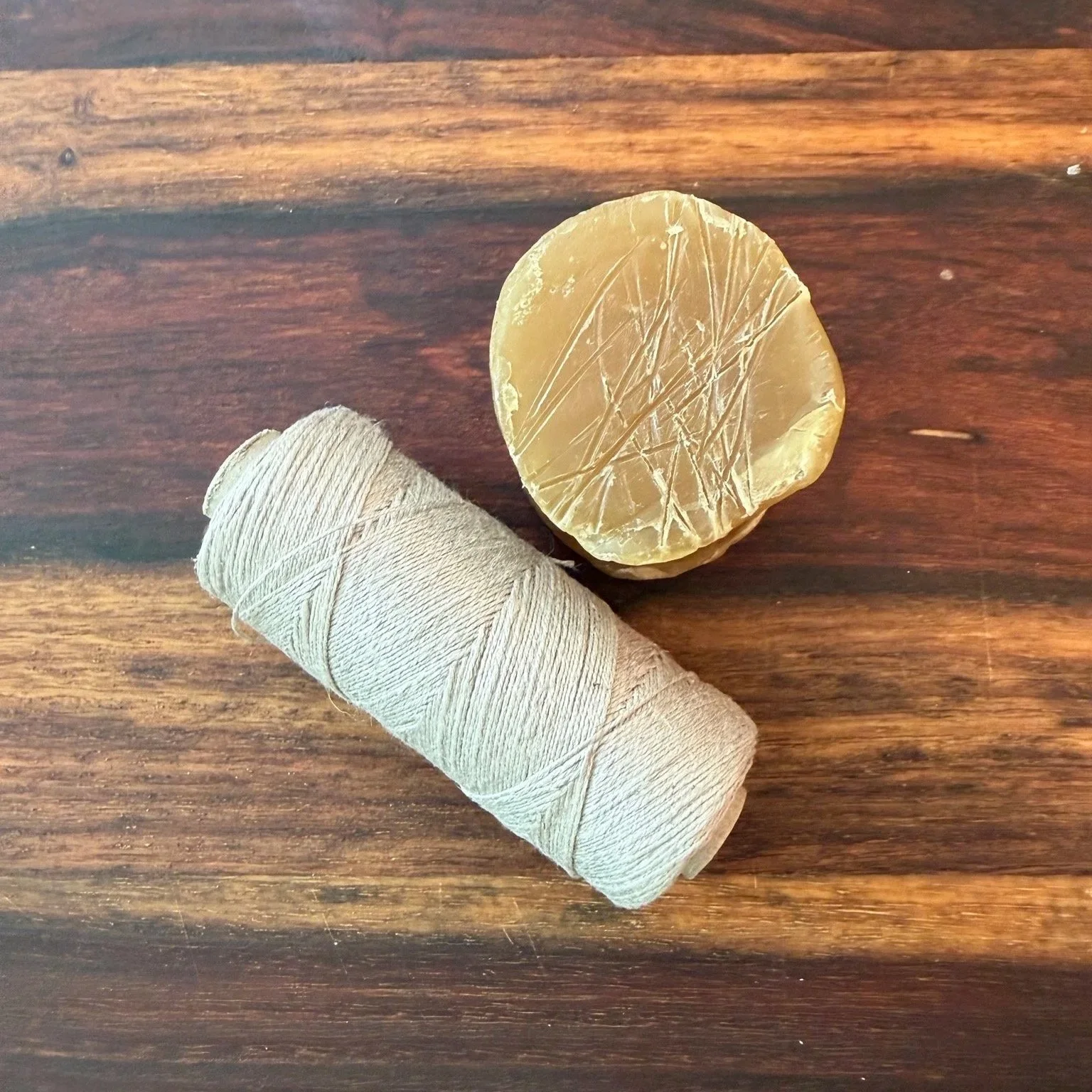
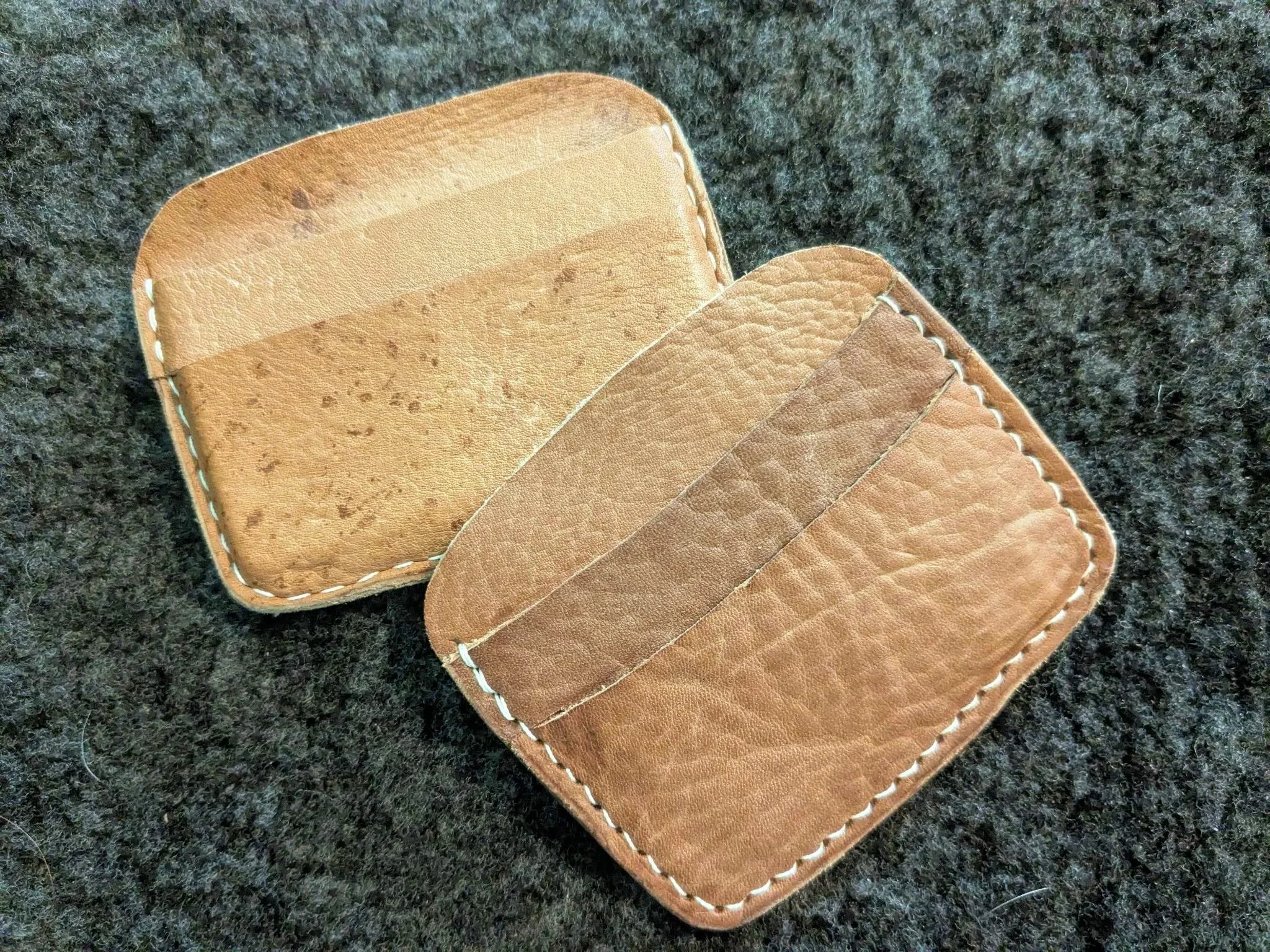
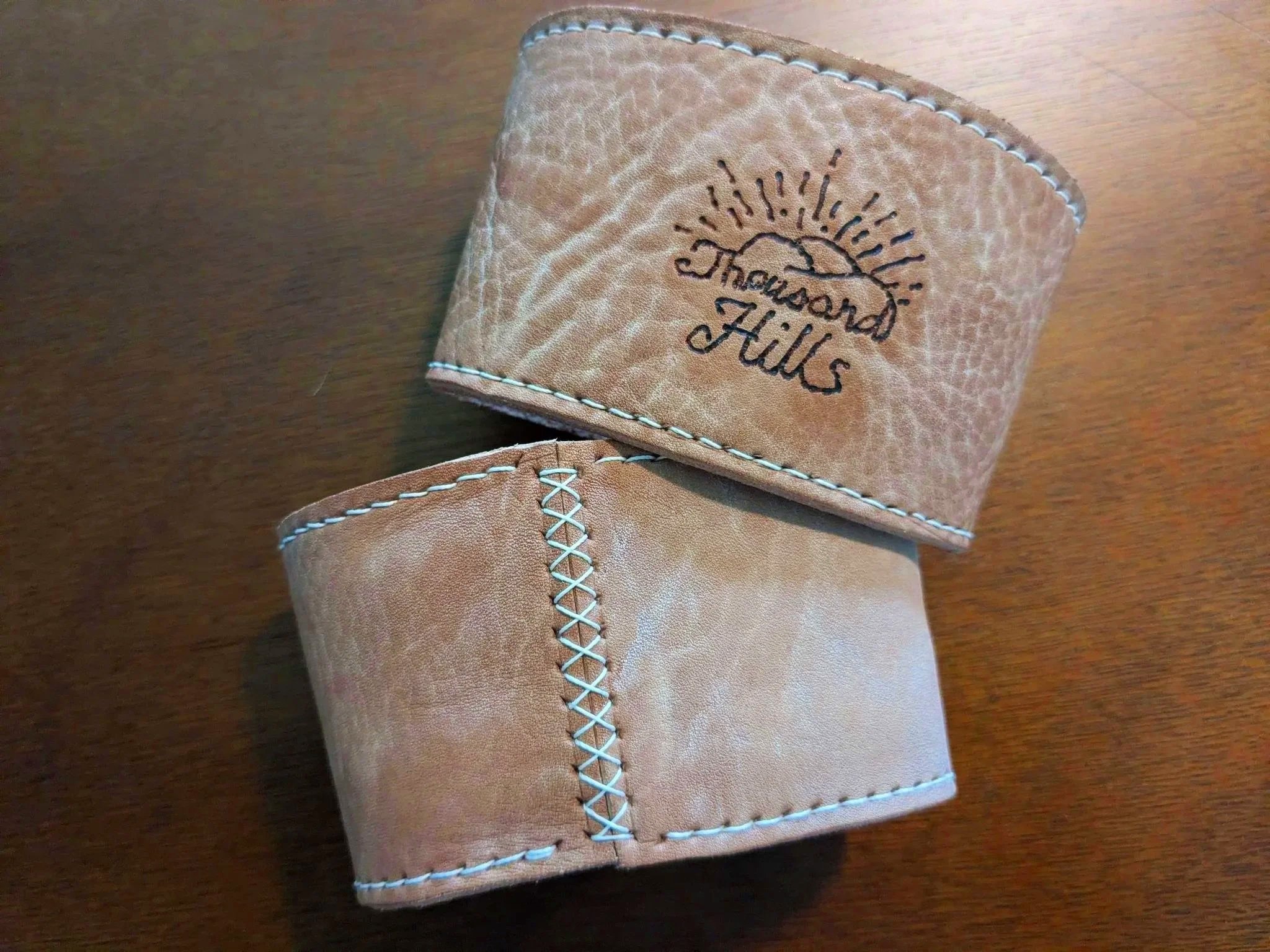
We use 100% linen thread sourced from Burnley & Trowbridge. It is supplied without wax or other applied coatings. Before stitching, we coat it by hand with beeswax, helping the fibers hold together, pass smoothly through the leather, and resist abrasion.

Our Soaps
Every bar starts with simple fats and oils, each one chosen for what it brings to the finished bar. The blend changes from formula to formula - from our Pure Tallow Soap to our Blended Bar - but what's in each one is always listed, plain and simple.
Not every ingredient appears in every bar. Each product listing and label includes the complete ingredient list for that specific formula and scent.
The Ingredients
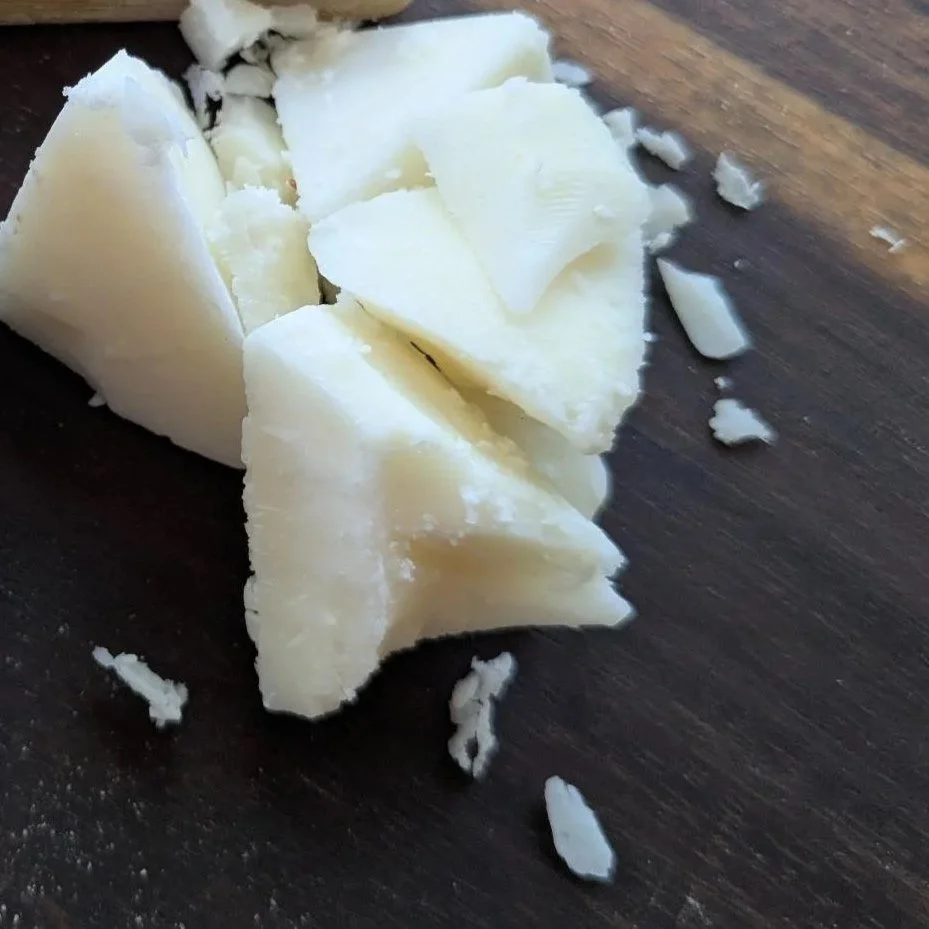
Beef Tallow
Locally sourced beef fat is reclaimed from local processors, then carefully trimmed, slowly rendered, and purified in the Landmade studio using water and salt. By putting this often-discarded material to use, we keep a valuable resource out of the waste stream and honor more of the animal.
In soap, tallow creates a firm, long-lasting bar with a creamy lather.
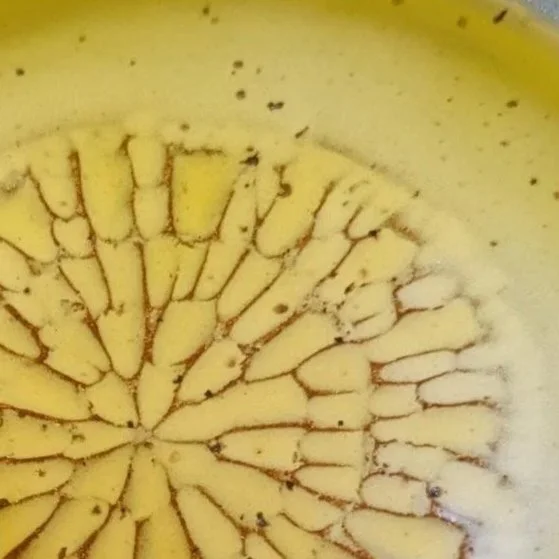
Olive Oil
100% California olive oil. Olive oil contributes mildness and helps create a smooth, creamy lather.
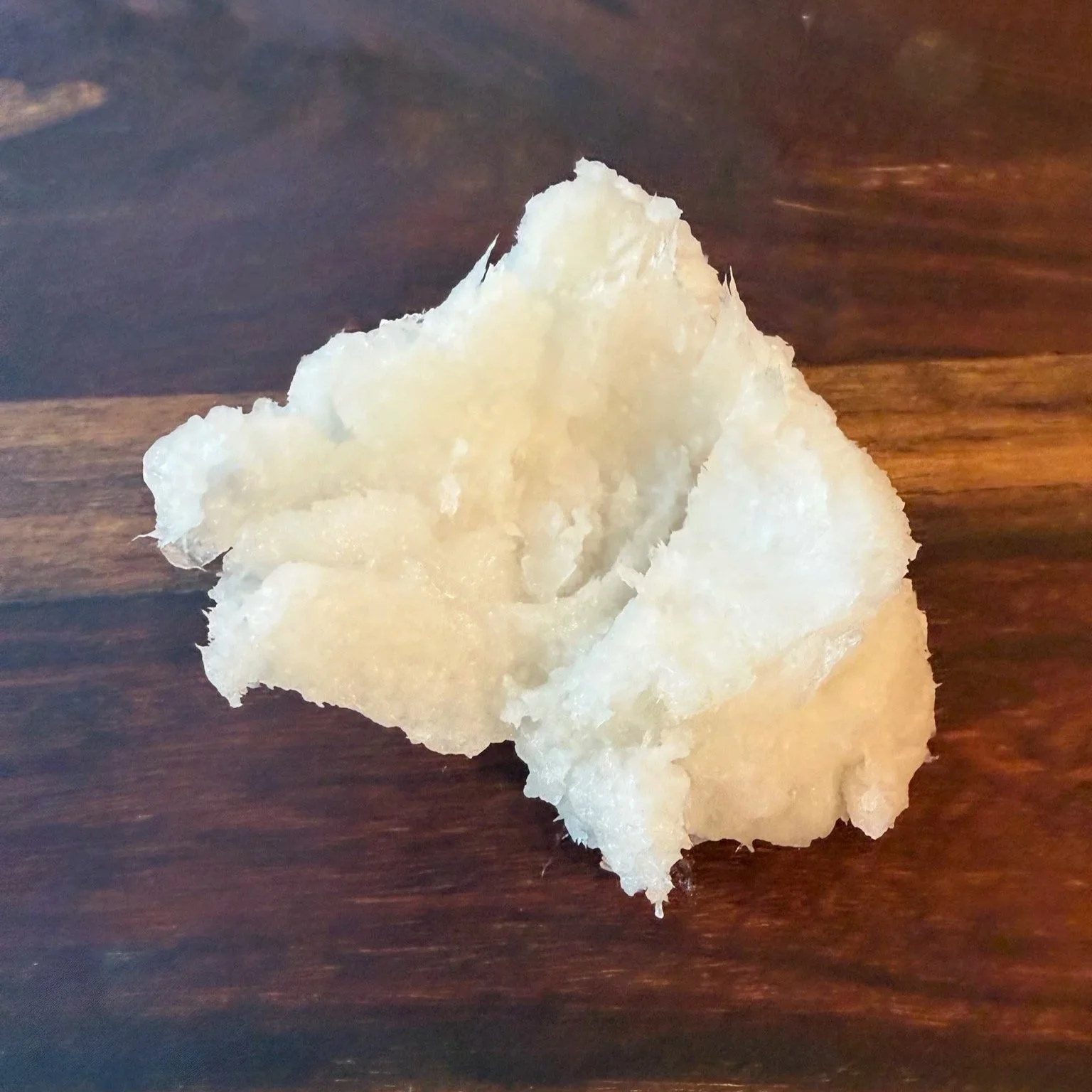
Coconut Oil
Organic, unrefined virgin coconut oil. In the formula, coconut oil contributes cleansing power and helps create a bubbly lather.
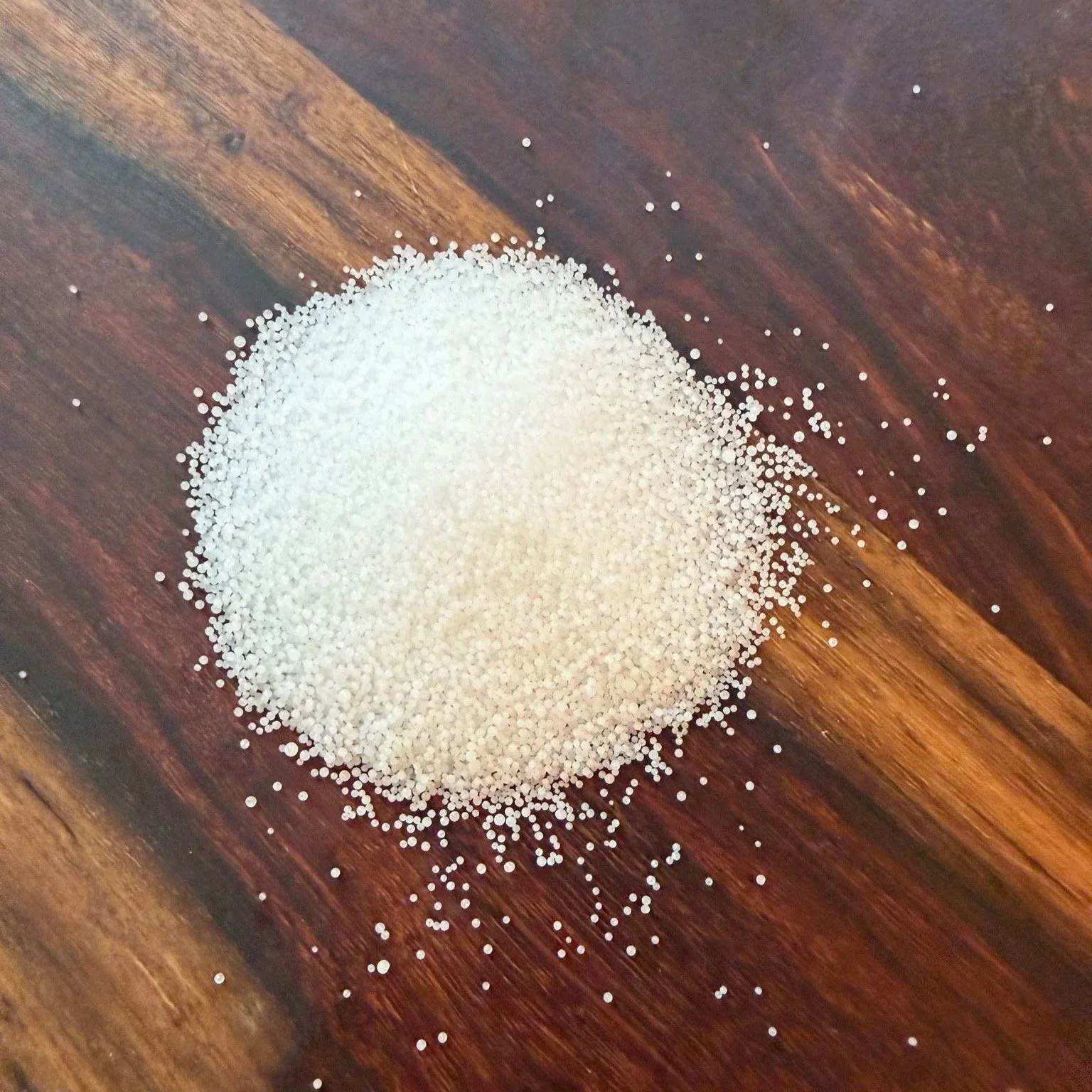
Lye
Food-grade sodium hydroxide, also known as lye. Commercial sodium hydroxide is generally made by passing an electric current through a concentrated saltwater solution. During the soapmaking process, it reacts with the fats and oils to form soap and glycerin. In a properly formulated soap, the sodium hydroxide is consumed by this reaction rather than remaining as free lye in the finished bar.
Water
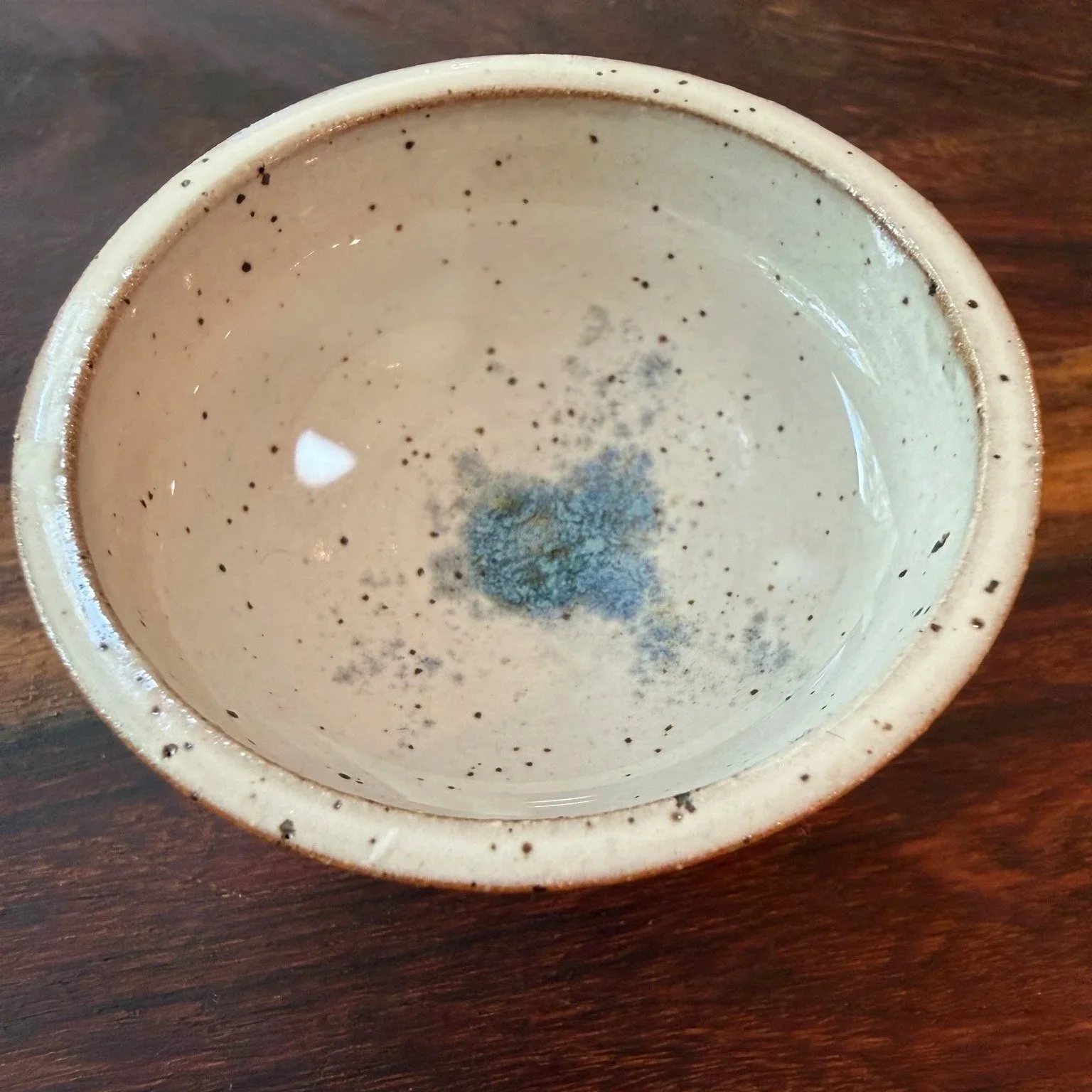
Water serves two purposes in our soapmaking process. Filtered tap water is used in combination with salt to render and purify the tallow. After purification, the water and salt are separated from the tallow.
Distilled water is used to dissolve the sodium hydroxide and create the lye solution. Using distilled water avoids the variable minerals found in tap water and helps keep each batch consistent. Most of this water evaporates as the bars cure.
Salt
Salt is added to water during tallow purification to help separate impurities from the rendered fat. The salt water is then separated from the purified tallow before soapmaking.
Essential Oils
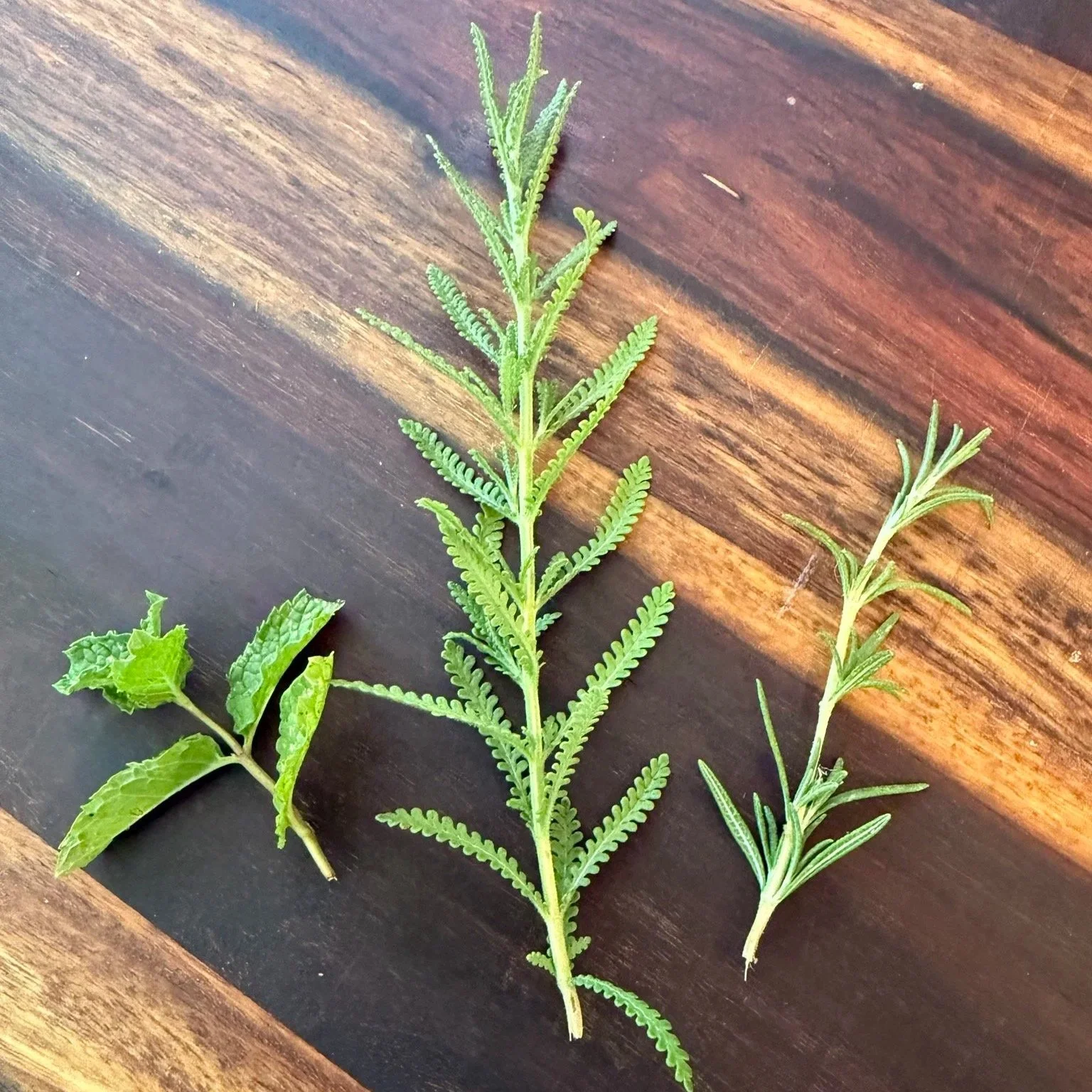
Select bars are scented with organic essential oils, used individually or in carefully chosen blends. The exact essential oils used are always listed by name with each scented bar. Our unscented bars contain no added scent, and we do not use fragrance oils.
Questions about our materials?
We’re happy to talk through what goes into every product we make!